
033-23633015/4601-4884
+91-62900-00935
033-23633015/4601-4884
+91-62900-00935
January 28th, 2026 by francisinternational
Choosing a preschool feels a bit like picking a compass for your child’s future. It’s easy to get distracted by shiny new playgrounds or high end brochures, but at the end of the day, the magic happens in the moments between. It’s about the laughter in the hallway, the patience of a teacher, and a curriculum that treats your child like a curious explorer, not a data point. Whether you are scouting the best preschool near Phool Bagan, Kolkata, or navigating the maze of nursery admissions near Kankurgachi, here is how to look past the marketing and find a curriculum that actually nourishes a young mind.
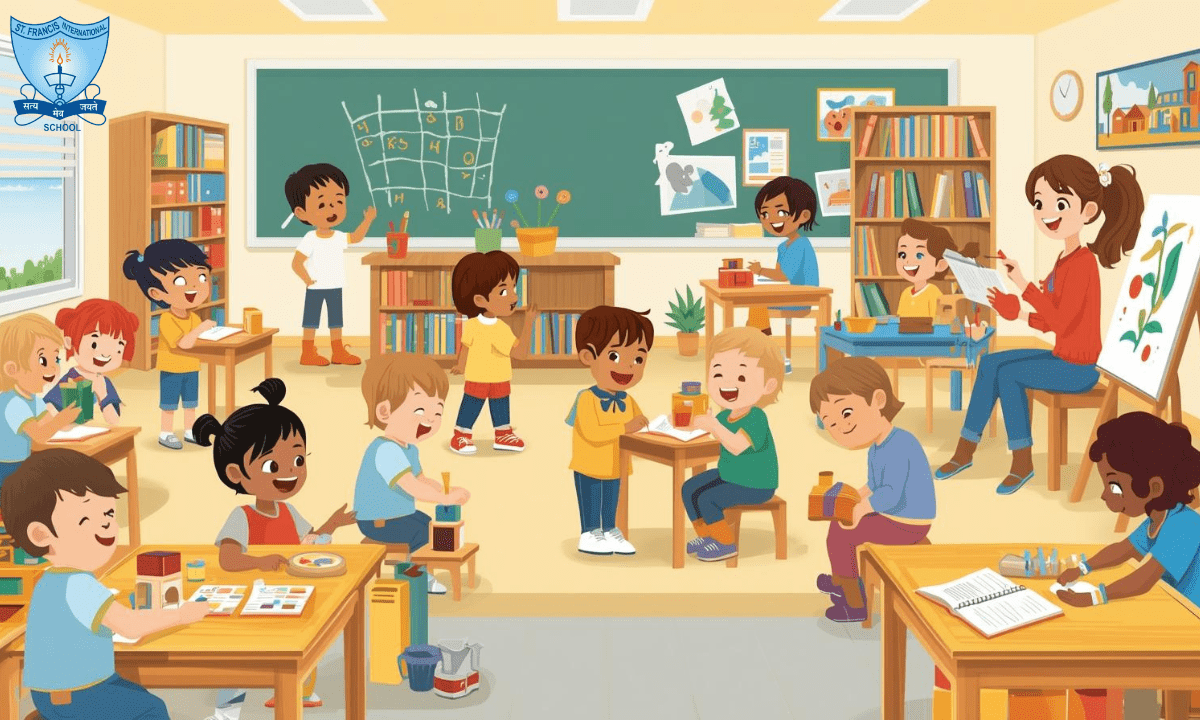
Let’s debunk a myth, play isn’t a break from learning, for a three year old, play is the learning. If you walk into a classroom and see children hunched over worksheets or memorizing lists, that’s a red flag. A high quality curriculum is play led. This means –
The early years are a sensitive window for language. A great curriculum doesn’t just teach the alphabet; it teaches the joy of expression. Look for schools that prioritize Show and Tell, daily circle time, and interactive rhymes. The goal isn’t just for your child to identify the letter ‘A’, it’s for them to have the confidence to tell a story, share a feeling, or ask a question. In the vibrant hubs of Phool Bagan and Kankurgachi, you want a school that builds confident communicators, not just quiet listeners.
We often obsess over academics, but social and emotional intelligence is the real foundation of success. A curriculum should intentionally carve out space for:
Yes, numbers matter, but they shouldn’t be a source of stress. A child-centric curriculum introduces concepts through patterns and shapes.
Children learn with their whole bodies. A quality preschool curriculum must treat physical activity as a core subject, not an afterthought.